---
title: Hiring a Kitchen or Bathroom Remodel Designer
description: Discover essential tips for hiring the right designer to ensure your kitchen remodeling project is a success. Read the article for valuable insights!
image: https://hgiremodeling.com/hubfs/pexels-pixabay-271667.jpg
---
"
[](https://hgiremodeling.com)
- [Home](https://hgiremodeling.com)
- [About Us](https://hgiremodeling.com/about)
- [Service Area](https://hgiremodeling.com/service-area)
- [Services](https://hgiremodeling.com/services)
- [Kitchen Remodels](https://hgiremodeling.com/kitchen-remodeling-spring-tx)
- [Bathroom Remodels](https://hgiremodeling.com/bathroom-remodeling-spring-tx)
- [Whole Home Remodeling](https://hgiremodeling.com/home-remodeling-spring-tx)
- [Outdoor Kitchens](https://hgiremodeling.com/outdoor-kitchens-spring-tx)
- [Outdoor Patios](https://hgiremodeling.com/outdoor-patios-spring-tx)
- [Gallery](https://hgiremodeling.com/projects)
- [HedgeFrame™](https://hgiremodeling.com/best-kitchen-and-bathroom-remodeling-in-spring)
- [Smart Resources](https://hgiremodeling.com/kitchen-and-bathroom-remodeling-guides-and-planning-resources)
- [Blog](https://hgiremodeling.com/blog)
- [Financing](https://www.hfsfinancial.net/promo/68669601c29751cc5b9dbb3f/)
[Book Now](https://hgiremodeling.com/contact)
[Book Now](https://hgiremodeling.com/contact)
Kitchen Remodeling Guide
# Hiring a Kitchen or Bathroom Remodel Designer
HGI Remodeling
Free Download
[](https://hgiremodeling.com/hs/cta/wi/redirect?encryptedPayload=AVxigLJzTyS8%2FgKxDF3578%2BXLTHGvu55%2BlKNxp4CWfmJw0%2BD5Ple52zXTp4fmpkvDSeX5Jzb9tafSaql66%2F024SBkOr%2B5id%2F3sr4koe8ok3JUkuPOxWsC1E2h%2BMim41aae0IYmvRyFFS4Zol2w5bWWSIM1mDX1mp6gjd2G200sK3119k0QDd1cc7OGswlI8to5Q%3D&webInteractiveContentId=326081437383&portalId=24111776)
[Back](https://hgiremodeling.com/blog)
HGI Remodeling
[Remodel Planning](https://hgiremodeling.com/blog/tag/remodel-planning)
**Key Takeaways:**
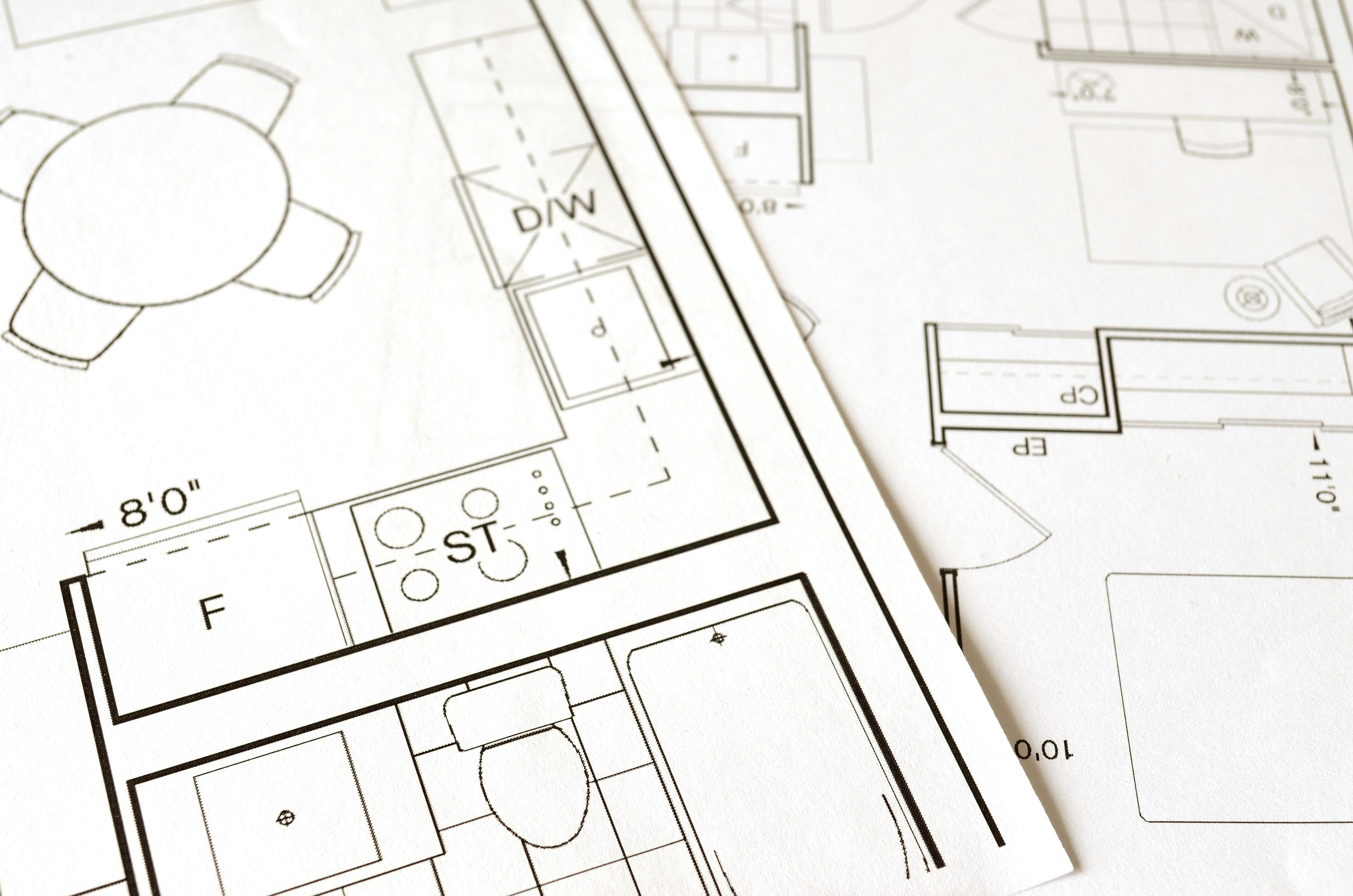
- Hiring a designer is about protecting your floor plan, not just picking up the finishes
- Once your remodel passes $40K–$70K, design becomes risk management, nog a luxury
- Not all designers think beyond aesthetics — experience with construction matters.
- Spending 5–10% on design can prevent far more costly mid-project mistakes.
- Integrated design-build teams reduce surprises, delays, and homeowner stress.
##### On this page
---
Hiring Designer For Remodeling Kitchen: Here’s What No One Talks About:
When you’re standing in a kitchen that hasn’t changed since the Reagan administration, or a bathroom where the layout forces you to sidestep around the toilet, the question eventually surfaces: do I really need to pay someone to tell me what looks good? The answer depends less on taste and more on how much risk you’re willing to absorb. Hiring a designer for a substantial remodel isn’t about pretty finishes—it’s about protecting your investment before the first tile gets ripped off the wall.
## **Is Hiring a Designer a Luxury — or the First Step to Protecting Your Floor Plan?**
Do you really need a designer for your kitchen or bathroom remodel in Spring, TX or The Woodlands? For projects under $30,000—a simple cabinet refresh, new countertops, maybe updated flooring—you can probably navigate with a decent contractor and some Pinterest research (though with a right contractor you may reap all the benefit of working with a highly skilled designer for a fraction of price, but about that a bit later).
However, once you cross into $40,000+ bathroom renovations or $70,000+ kitchen overhauls (typical thresholds in Greater Houston’s 2025 market), a skilled designer shifts from luxury to risk protection.
Here’s where most homeowners misunderstand the job. “Picking pretty finishes” is maybe 20% of what a capable designer does. The rest involves space planning, traffic flow optimization, storage strategy that actually matches how you live, lighting layers that work for aging eyes, and aging-in-place considerations that prevent expensive modifications five years down the road.
These decisions affect daily life for the next 15–20 years. Get them wrong, and you’ll feel it every morning when you’re trying to make coffee in a kitchen that fights against you.
At HGI Remodeling, we integrate design and construction decisions early through [The Lock System™](https://hgiremodeling.com/)—locking in layout, selections, and realistic investment before demolition starts. This isn’t about selling you on extra services. It’s about preventing the mid-project chaos that happens when design choices collide with structural reality after walls are already open.
The rest of this article will help you understand designer types, realistic costs, genuine benefits, and how to evaluate whether someone has the skills to match your project’s complexity. By the end, you’ll know how to hire the right talent without mid-project regrets.
## **There Are 3 Types of Designers. Only One Thinks Beyond Finishes.**
Not all designers are created equal, and that’s not an insult—it’s simply a matter of matching skill level to project scope. The person who can help you pick cabinet colors at a showroom is a very different professional than someone who can redesign your entire (room) floor plan while coordinating with construction project manager to keep you within reasonable investment.
**Showroom Designers** work at cabinet stores, big-box retailers, and kitchen showrooms throughout Spring, TX and Greater Houston. Their design services are often free because the real business model is selling you cabinets, appliances, and fixtures from their inventory.
These designers can be genuinely helpful for straightforward projects where the layout stays mostly the same and you’re primarily upgrading finishes. However, they typically don’t visit your home, rarely account for existing plumbing or electrical constraints, and may spend limited time on your project since they’re juggling multiple customers on the sales floor. Their construction knowledge is usually quite limited and there is no consequential coordination with project managers.
**Online Course Designers** have completed 8–12 month certification programs or online training. They may have solid style sense and basic floor plan skills using tools like a virtual kitchen planner or SketchUp.
For cosmetic updates—new cabinets in the same footprint, fresh tile, upgraded lighting—they can deliver real value at reasonable rates. Where they struggle is complex remodel phasing, structural constraints, and the technical coordination required when you’re moving walls, relocating plumbing, or upgrading electrical panels.
**Experienced, Award-Winning Expert Designers** or design-build team leads bring 10+ years of full-gut kitchen and bath experience. They’ve completed dozens of projects per year, understand building codes inside and out, and can foresee conflicts between your dream layout and the plumbing stack hiding in that wall.
These professionals command premium fees—but they also prevent premium mistakes. Qualified designers follow a structured methodology that includes research, ideation, iteration, and delivery, ensuring your project is handled with precision from start to finish.
None of these categories are inherently bad. A showroom designer is perfectly suited for a cabinet facelift. An award-winning designer is overkill for painting your bathroom. The key is matching designer expertise to project scope and investment level. A designer’s portfolio is the best indicator of their capabilities.

## **What Hiring a Good Real Designer Actually Buys You (Hint: It’s Not Color Advice)**
Forget vague descriptions about “creative vision” and “bringing your style to life.” Here’s what a capable kitchen or bath designer does on a remodel, broken into key tasks you can evaluate.
- **Precision Measurement and Documentation**: A professional designer measures your space accurately, documenting door swings, window placements, outlets, and ceiling heights to ensure custom cabinets fit perfectly.
- **Scaled Floor Plans and Elevations**: With more in-depth access, They produce construction-ready drawings with exact dimensions and installation details for builders and installers.
- **Appliance and Plumbing Coordination**: Designers plan appliance locations and plumbing connections based on functional layouts like the classic work triangle for efficient kitchen flow.
- **Storage Strategy for Real Life**: They tailor storage solutions to your lifestyle, considering device charging spots, heavy appliance storage, and entertaining flow.
- **Anticipating Problems**: Skilled designers identify clearance issues, ventilation needs, and safe layouts before construction begins.
- **Coordination with the Contractor**: Design and construction teams work together from day one to align plans with structural realities, preventing costly surprises. Depending on the overall project, designers often submit requests or communicate on your behalf about specific design issues to ensure all parties are aligned and your interests are represented throughout the process.
Effective collaboration with design team leads to a more cohesive and aesthetically pleasing final result.
## **Designer Fees vs. Remodeling Regret: The Real Math**
Designer fees vary by skill and project complexity:
| Designer Type | Hourly Rate | Flat Fee (Kitchen) | Flat Fee (Bath) |
| --- | --- | --- | --- |
| Showroom Designer | Free with purchase | Included with order | Included with order |
| Mid-Level Independent | $100–$175 | $3,000–$6,000 | $1,500–$3,500 |
| Experienced Independent | $150–$250 | $5,000–$8,000 | $3,000–$5,000 |
| Design-Build Integrated | Included in project | Varies. Could start at $1500 and to up to 5–10% of total project | Varies. Could start at $1500 and to up to 5–10% of total project |
| Award-Winning Designer | $200–$400 | $10,000–$20,000+ | $5,000–$10,000+ |
| Investing 5–10% of your project budget in design often prevents costly change orders and saves money in the long run. | | | |
## Benefits of Hiring a Skilled Designer: **What You’re Really Buying When You Hire a Designer**
1. **Financial**: Reduces costly change orders and improves resale value.
2. **Emotional**: Cuts decision fatigue by locking in plans early, bringing confidence and pride.
3. **Functional**: Aging-in-place features, lighting, and smart storage.
Integrated design and construction teams = smoother, more reliable remodels.
## **When Hiring the Wrong Designer Turns Expensive Fast**
Inexperienced designers can cause big problems that impact function and safety of your remodel. Common mistakes include poor layout choices that disrupt traffic flow, ignoring building codes, and creating plans that are hard or costly to execute.
These design mistakes often lead to expensive fixes during construction, delays and frustration. Without understanding of structural limitations, plumbing, electrical systems and aging-in-place needs, low-skill designers may overlook key details that affect daily life and long-term value.
Lack of expertise increases the risk of mid-project changes, budget overruns and a final space that doesn’t meet your expectations or lifestyle requirements.
> For homeowners in Spring, TX and Greater Houston who want a remodel done once and done right, investing in a skilled, [home remodeling contractor in Spring, TX](https://hgiremodeling.com/service-area/spring-tx) with an integrated [design-build team](https://hgiremodeling.com/best-kitchen-and-bathroom-remodeling-in-spring) may be the smartest risk management strategy and the one they quickly realize they prefer.
## **How to Vet a Kitchen Planner Like a Pro**
When evaluating designers for your kitchen or bathroom remodel, take a thorough and strategic approach. Start by reviewing portfolios that show projects similar in scope and style to your own. You can use filters and search tools on design platforms to narrow down your options and find designers who match your style and project needs.
- Look beyond pretty pictures—case studies or project descriptions that explain the designer’s problem-solving process and how they solved challenges.
- Ask about their experience with projects of your size and complexity and how they work and communicate. You may need to provide your phone number or other contact info to connect with designers and discuss further.
- Verify the quality and detail of their construction drawings, make sure they provide clear, scaled floor plans and elevations that contractors can build from.
- Most importantly, trust clear and consistent communication; a good designer will be transparent about timelines, costs and potential hurdles and will listen to your needs and preferences. When evaluating designers, be sure to tell them your style, colors and features so they can tailor their approach to your vision.
If you’re not looking for the right talent at the moment, using a detailed [kitchen remodel checklist for Greater Houston homeowners](https://hgiremodeling.com/blog/the-ultimate-kitchen-remodel-checklist-for-greater-houston-tx-homeowners) or a platform like Houzz.com may be your first step to a new kitchen design. Many platforms require you to fill out a form to request a consultation or more information. Additionally, tools like Create-A-Kitchen and Lowe’s Kitchen Designer offer virtual consultations to help users with their design projects, while a local [kitchen remodeling specialist in Spring, TX](https://hgiremodeling.com/kitchen-remodeling-spring-tx) can turn those concepts into a buildable plan.## Designer Alone vs. Integrated Team
Independent designers are great at style and creativity but may not have the contractor coordination to keep budgets and timelines in line. This disconnect can lead to surprises and mid-project changes.
An integrated design-build team combines design expertise with construction knowledge from the start, aligns your vision with reality and customize budgets, much like a full-service [residential remodeling design-build provider](https://hgiremodeling.com/services). This reduces risk, shortens project timeline and smoother communication among all parties requires less of your time.
## Red Flags to Watch Out For
- Be aware of warning signs a designer may not be the right fit for your project. Avoid designers who don’t do site visits, firsthand knowledge of your space is crucial for accurate planning.
- Be cautious of those who only focus on selecting finishes without addressing functional or technical issues like plumbing, electrical or code compliance or fail to customize to your specific needs. Pressure tactics like rushing you to sign contracts or make decisions before you’re ready are a red flag.
- Always insist on written contracts that outline scope of work, fees and timelines to prevent misunderstandings.
- Lastly, steer clear of designers who don’t have a process or don’t provide detailed construction documents—these omissions often lead to delays and frustration during remodeling.
Choosing a designer with expertise, clear communication and thorough planning is your best defense against remodeling pitfalls.
## **The Hidden Risk of Separating Designer and Contractor**
Successful kitchen and bathroom remodels rely on seamless collaboration between your designer and contractor, especially when you’re planning broader [home remodeling services in Spring, TX](https://hgiremodeling.com/home-remodeling-spring-tx). To maximize this partnership prepare inspiration photos that show your style and non-negotiables—those must-have features or layout elements you won’t compromise on. This clarity helps the design team understand your vision and align it with construction elements from the start.
Many design platforms now allow you to view and download your project files or images, making it easy to share with your team or review offline as needed. Using tips and guidelines provided by these platforms can also streamline collaboration and improve project outcomes.
Commit to timely decisions throughout the process to keep the project on track and avoid delays. When designers and contractors can rely on you for quick feedback and approvals they can coordinate their efforts and keep momentum.
Value single-point accountability by designating a primary contact—often the lead designer or project manager—who oversees communication among all parties. This role ensures instructions, updates and requests flow smoothly and everyone is on the same page. Set up regular check-ins, like weekly updates or progress reports, to monitor the project and address any issues before they become problems.
These scheduled touch points create transparency and trust, so you can see how your remodel is getting closer to your dream kitchen or bathroom. Many well-organized construction companies will invest in their customer experience and you may find they already have these in place.
> If you’re managing the process yourself—hiring a separate designer and contractor—be aware that aligning their schedules, communication styles and personalities can be a challenge, particularly on larger projects where a unified [home remodeling contractor in Montgomery, TX](https://hgiremodeling.com/service-area/montgomery-tx) approach might otherwise streamline things.
Misalignment between independent designers and contractors often leads to misunderstandings, delays or conflicts that fall on you to resolve. Design-build firms integrate these roles from the start so the designer and contractor are already aligned in vision, workflow and collaboration. This integration reduces friction and creates a smoother remodeling experience, most importantly takes far less of your time away from other important things.
By having open dialogue, clear expectations and mutual respect between your designer and contractor—whether hired independently or integrated—you create an environment where surprises are minimized and quality and efficiency of the remodel are maximized, especially on complex [bathroom remodeling projects in Spring, TX](https://hgiremodeling.com/bathroom-remodeling-spring-tx).
## Where To Go From Here
Hiring a good designer is about risk management and long-term comfort not just aesthetics. For big remodels in Spring, TX and Greater Houston an integrated design-build approach brings clarity, confidence and a home you’ll love for decades.
Start with a planning-focused consultation and prioritize expertise and process over the lowest price so your remodel is done right the first time, ideally with a team whose [about-us story and remodeling philosophy](https://hgiremodeling.com/about) align with your expectations.
---
[](https://hgiremodeling.com/hs/cta/wi/redirect?encryptedPayload=AVxigLLF9NiLz%2BOSkIUjy2CT4LYZjrhqKQmoCi1Sk9qq2%2BX4rqb9SbTrWS%2BKao1R6y2Neeb%2Fi0YBkU7iFs4KGSEgvHizkT%2B2A3IDgndHDOTFy1zcKeYOlpLuiXD7n9bLfpxZgPLZyKjOgTvFQF00EXWgH%2FTH4eNYfcs2JMi1erWTFOHyCGhAdhDSgJwiV9lND7o%3D&webInteractiveContentId=318180200128&portalId=24111776)
- [Author](https://hgiremodeling.com/blog/essential-tips-for-hiring-designer-for-remodeling-kitchen-success#abh_about)
- [Recent Posts](https://hgiremodeling.com/blog/essential-tips-for-hiring-designer-for-remodeling-kitchen-success#abh_posts)
[](https://hgiremodeling.com/blog/author/hgi)
[HGI Remodeling](https://hgiremodeling.com/blog/author/hgi)
We’re Aleks and Nanoo — partners in life and in remodeling. We’ve seen that most remodeling stress begins long before construction, often in the early decisions that feel unclear or overwhelming. Here, we share practical perspective drawn from real experience to help homeowners move forward with clarity and confidence.
[](https://hgiremodeling.com/blog/author/hgi)
Latest posts by HGI Remodeling ([see all](https://hgiremodeling.com/blog/author/hgi))
- [How to plan an aging-in-place bathroom remodel](https://hgiremodeling.com/blog/how-to-plan-an-aging-in-place-bathroom-remodel) - August 10, 2026
- [How to Find a Reliable Remodeling Contractor & What Most Homeowners Miss](https://hgiremodeling.com/blog/how-to-find-a-reliable-kitchen-remodeling-contractor-you-can-trust) - March 25, 2026
- [Bathroom Remodel Checklist & Planning Tips](https://hgiremodeling.com/blog/bathroom-remodel-checklist-for-greater-houston-tx-homeowners) - March 19, 2026
[](https://hgiremodeling.com)
- [Home](https://hgiremodeling.com)
- [About Us](https://hgiremodeling.com/about)
- [Services](https://hgiremodeling.com/services)
- [Gallery](https://hgiremodeling.com/projects)
- [HedgeFrame™](https://hgiremodeling.com/best-kitchen-and-bathroom-remodeling-in-spring)
- [Service Area](https://hgiremodeling.com/service-area)
- [Contact Us](https://hgiremodeling.com/contact)
- [Blog](https://hgiremodeling.com/blog)
- [Privacy Policy](https://hgiremodeling.com/privacy-policy)
- [Terms of Service](https://hgiremodeling.com/tos)
- Services
- [Kitchen Remodels](https://hgiremodeling.com/kitchen-remodeling-spring-tx)
- [Bathroom Remodels](https://hgiremodeling.com/bathroom-remodeling-spring-tx)
- [Home Remodeling](https://hgiremodeling.com/home-remodeling-spring-tx)
- [Outdoor Patios](https://hgiremodeling.com/outdoor-patios-spring-tx)
- [Outdoor Kitchens](https://hgiremodeling.com/outdoor-kitchens-spring-tx)
CONTACT US
[tel:832-802-7127](tel:832-802-7127)
[832-802-7127](tel:832-802-7127)
Mon - Fri: 09:00 AM - 05:00 PM
HGI Remodeling
20212 Champion Forest Dr, STe 700-154, Spring TX 77379
Serving Spring, TX & Surrounding Communities
Proudly serving homeowners throughout Spring, Conroe, Magnolia, Montgomery, Tomball, Cypress, The Woodlands, and Nearby North Houston Communities
Social
[Facebook](https://www.facebook.com/HGIremodeling/)
[Twitter](https://twitter.com/hgiremodeling)
[Instagram](https://www.instagram.com/hgiremodeling/)
[Pinterest](https://www.pinterest.com/hgiremodeling/)
[Yelp](https://www.yelp.com/biz/hgi-remodeling-spring)
[Houzz](https://www.houzz.com/professionals/kitchen-and-bath-remodelers/hgi-remodeling-100-satisfaction-guaranteed-pfvwus-pf~344909749)
```json
{
"@context" : "https://schema.org",
"@type" : "BlogPosting",
"author" : {
"@type" : "Person",
"name" : "HGI Remodeling",
"url" : "https://hgiremodeling.com/blog/author/hgi"
},
"dateModified" : "2026-03-20T16:07:06.682Z",
"datePublished" : "2026-02-23T15:48:11.000Z",
"headline" : "Hiring a Kitchen or Bathroom Remodel Designer",
"image" : [ "https://hgiremodeling.com/hubfs/pexels-pixabay-271667.jpg" ],
"mainEntityOfPage" : {
"@id" : "https://hgiremodeling.com/blog/essential-tips-for-hiring-designer-for-remodeling-kitchen-success",
"@type" : "WebPage"
},
"publisher" : {
"@type" : "Organization",
"logo" : {
"@type" : "ImageObject",
"url" : "https://hgiremodeling.com/hubfs/Hgiremodeling_October2024/Images/logo-dark.svg"
},
"name" : "HGI Remodeling"
}
}
```